
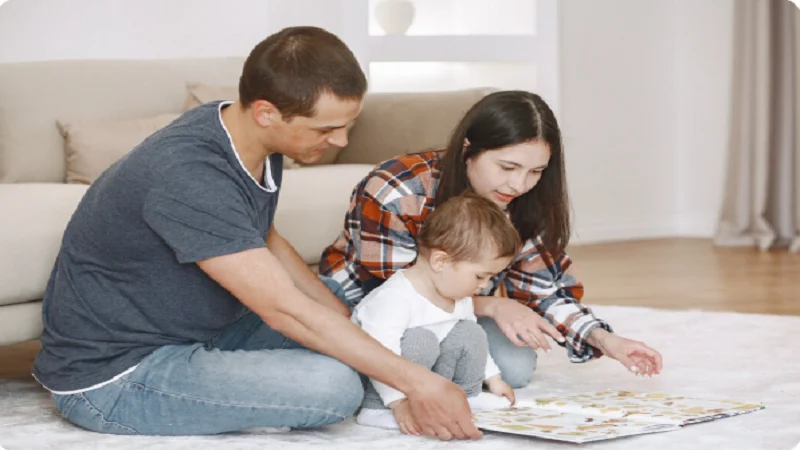
Parenting is one of the most meaningful journeys in life. Every parent wants to raise happy, healthy, and confident children while maintaining a peaceful home environment. However, balancing responsibilities, work, education, and family life can sometimes feel overwhelming. This is where parenting wellness infoguide famparentlife becomes a valuable concept for families looking to create healthier habits and stronger relationships.
Wellness in parenting is not only about physical health. It also includes emotional well-being, positive communication, mental health, healthy routines, and creating a supportive environment where children can grow and thrive. Parents who focus on wellness are better prepared to guide their children through different stages of life while also taking care of themselves.
This article explains the importance of parenting wellness, practical habits for families, and simple ways to build a happier home.
Understanding Parenting Wellness
Parenting wellness refers to the overall well-being of both parents and children. It encourages healthy lifestyles, emotional balance, effective communication, and positive family relationships.
Healthy parenting does not mean being perfect. Every family faces challenges, but learning healthy habits helps parents respond calmly and confidently. Children benefit from a stable environment where they feel safe, loved, and respected.
When wellness becomes a family priority, everyone experiences greater happiness and stronger emotional connections.
Why Family Wellness Matters
A healthy family environment supports children’s physical, emotional, and social development. It also improves the confidence of parents by reducing unnecessary stress.
Some major benefits include:
- Better communication between family members
- Strong emotional connections
- Improved physical health
- Positive behavior in children
- Better academic performance
- Reduced family stress
- Increased confidence and self-esteem
Healthy families create positive memories that last for generations.
Building Strong Parent-Child Relationships
One of the foundations of successful parenting is maintaining a close relationship with children.
Parents can strengthen their bond by:
- Listening without interruption
- Spending quality time together
- Encouraging open conversations
- Praising positive behavior
- Respecting children’s opinions
- Showing affection regularly
Simple daily interactions often have a greater impact than expensive gifts or activities.
The Importance of Emotional Health
Children learn emotional skills by observing their parents. When parents remain calm and respectful during difficult situations, children develop similar coping skills.
Ways to support emotional health include:
- Talking about feelings openly
- Teaching problem-solving skills
- Practicing patience
- Encouraging empathy
- Avoiding harsh criticism
Emotional intelligence helps children succeed in school, friendships, and future careers.
Creating Healthy Daily Routines
Daily routines provide stability and reduce stress for the entire family.
Healthy routines may include:
- Consistent wake-up times
- Nutritious meals
- Homework schedules
- Outdoor play
- Family meals
- Reading before bedtime
- Regular sleep schedules
Children feel more secure when they know what to expect each day.
Encouraging Healthy Eating
Nutrition plays an important role in child development.
Parents should encourage:
- Fresh fruits
- Vegetables
- Whole grains
- Lean proteins
- Plenty of water
Reducing sugary snacks and processed foods helps improve concentration, energy levels, and overall health.
Family meals also create opportunities for meaningful conversations.
Supporting Physical Activity
Exercise benefits both children and adults.
Families can stay active through:
- Walking together
- Cycling
- Playing outdoor games
- Dancing
- Swimming
- Hiking
- Gardening
Physical activity strengthens the body while reducing stress and improving mood.
Managing Screen Time
Technology has become a normal part of modern life, but balance is important.
Parents can manage screen time by:
- Setting daily limits
- Encouraging outdoor activities
- Keeping devices away during meals
- Promoting educational content
- Creating screen-free family time
Balanced technology use supports healthier social and emotional development.
Positive Communication
Good communication builds trust within families.
Parents should practice:
- Active listening
- Speaking respectfully
- Giving clear instructions
- Asking open-ended questions
- Solving problems together
Children who feel heard are more likely to share their thoughts and concerns.
Teaching Responsibility
Children develop confidence when they learn responsibility from an early age.
Simple responsibilities include:
- Cleaning their room
- Organizing school supplies
- Helping prepare meals
- Feeding pets
- Completing homework
These activities teach independence and valuable life skills.
Managing Parenting Stress
Parenting can sometimes be demanding, making stress management essential.
Helpful techniques include:
- Taking short breaks
- Exercising regularly
- Getting enough sleep
- Asking for family support
- Practicing relaxation techniques
According to the principles of parenting wellness infoguide famparentlife, caring for parents is just as important as caring for children because healthy parents create healthier families.
Building Children’s Confidence
Confident children are more willing to learn, explore, and solve problems.
Parents can encourage confidence by:
- Celebrating effort
- Allowing children to make age-appropriate decisions
- Encouraging independence
- Avoiding unnecessary comparisons
- Supporting their interests
Positive encouragement motivates children to continue growing.
Handling Family Conflicts
Disagreements happen in every family.
Healthy conflict resolution includes:
- Staying calm
- Listening carefully
- Respecting different opinions
- Finding fair solutions
- Apologizing when necessary
Children learn valuable communication skills by watching adults resolve disagreements respectfully.
Encouraging Lifelong Learning
Parents play an important role in developing curiosity.
Learning can be encouraged through:
- Reading books together
- Visiting museums
- Exploring nature
- Trying science experiments
- Asking thoughtful questions
- Supporting creative hobbies
A love of learning helps children adapt to future challenges.
Practicing Gratitude
Gratitude improves emotional well-being and strengthens family relationships.
Simple gratitude activities include:
- Sharing positive moments during dinner
- Keeping a gratitude journal
- Thanking family members
- Celebrating small achievements
These habits encourage optimism and appreciation.
Self-Care for Parents
Parents often focus entirely on their children while forgetting their own health.
Self-care includes:
- Regular exercise
- Healthy eating
- Adequate sleep
- Personal hobbies
- Relaxation
- Spending time with supportive friends
The ideas behind parenting wellness infoguide famparentlife remind families that self-care improves patience, energy, and emotional balance.
Creating a Positive Home Environment
A peaceful home supports healthy child development.
Parents can create positivity by:
- Keeping routines consistent
- Celebrating family traditions
- Maintaining respectful communication
- Supporting each other’s goals
- Showing kindness daily
Small acts of love strengthen family bonds over time.
Conclusion
Parenting is a continuous learning experience filled with both challenges and rewarding moments. Families do not need perfection to succeed. Instead, consistent healthy habits, open communication, emotional support, and quality time create lasting positive results.
By following the practical ideas shared in parenting wellness infoguide famparentlife, parents can build stronger relationships, support their children’s growth, and improve the overall well-being of the entire family. Every positive step, no matter how small, contributes to a healthier, happier, and more connected family life for years to come.
Learn More: https://theweeklyhealthiness.co/