
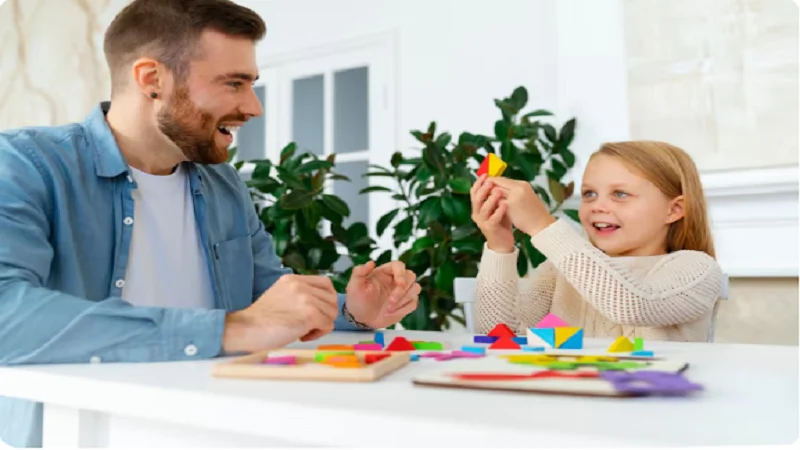
Learning becomes more meaningful when children actively participate instead of simply listening or watching. Active learning encourages kids to think, solve problems, ask questions, and explore new ideas through enjoyable activities. Parents and teachers can make education exciting by using games that improve creativity, teamwork, communication, and critical thinking.
Many families are discovering the value of active learning games famparentlife because these activities combine education with entertainment. Instead of making learning feel like a chore, games help children stay motivated while developing important life skills. Whether at home or in the classroom, active learning games can make every lesson more enjoyable and memorable.
What Are Active Learning Games?
Active learning games are activities that require children to participate directly in the learning process. Instead of passively receiving information, children interact, discuss, move, create, and solve challenges.
These games are designed to improve understanding while making learning fun. They can include physical movement, puzzles, storytelling, role-playing, memory games, and team challenges.
The goal is not just to complete a game but to develop skills that children can use throughout their lives.
Benefits of Active Learning Games
Active learning games offer many educational and personal benefits. Some of the most important advantages include:
Better Memory
Children remember information more effectively when they learn by doing. Practical experiences create stronger memories than simply reading or listening.
Improved Problem-Solving Skills
Games often present challenges that require children to think creatively and find solutions.
Increased Confidence
Successfully completing activities helps children believe in their abilities and encourages them to try new things.
Better Communication
Many learning games involve teamwork, allowing children to practice listening, speaking, and sharing ideas.
Higher Motivation
Fun activities keep children interested and excited about learning, making them more willing to participate.
Types of Active Learning Games
Different games help children develop different skills. Here are some popular categories.
Memory Games
Memory matching cards improve concentration, attention, and recall abilities. Children enjoy finding matching pairs while strengthening their memory.
Word Games
Games like word searches, crossword puzzles, and vocabulary challenges improve reading and language skills.
Math Games
Using dice, cards, or simple board games helps children practice addition, subtraction, multiplication, and logical thinking.
Science Experiments
Hands-on science activities encourage curiosity and allow children to understand scientific concepts through observation and experimentation.
Role-Playing Games
Pretending to be doctors, teachers, shopkeepers, or scientists develops imagination, communication, and social skills.
Outdoor Learning Games
Nature walks, scavenger hunts, and physical challenges combine exercise with learning about the environment.
How Parents Can Encourage Active Learning
Parents play an important role in creating a positive learning environment. Small daily activities can make a big difference.
Ask Open-Ended Questions
Instead of asking questions with simple yes or no answers, encourage children to explain their thoughts.
Let Children Explore
Allow children to make discoveries on their own rather than giving immediate answers.
Celebrate Effort
Praise hard work, curiosity, and improvement instead of focusing only on correct answers.
Make Learning Part of Daily Life
Cooking, shopping, gardening, and organizing household tasks can all become educational experiences.
Easy Active Learning Games at Home
Parents do not need expensive materials to create enjoyable learning experiences.
Treasure Hunt
Hide clues around the house that require children to solve simple problems before finding the next clue.
Alphabet Challenge
Choose a letter and ask children to find objects beginning with that letter.
Story Building
Each family member adds one sentence to create a fun and imaginative story together.
Number Hunt
Ask children to find numbers around the house on clocks, calendars, books, or packaging.
Sorting Game
Let children organize objects by color, size, shape, or purpose to develop observation and classification skills.
Active Learning in the Classroom
Teachers can also use active learning games to improve student engagement.
Group discussions encourage children to share ideas and learn from one another.
Educational quizzes make reviewing lessons more exciting.
Team competitions build cooperation while motivating students to participate.
Hands-on projects allow children to apply knowledge in practical situations.
Interactive presentations keep students involved throughout the lesson.
Choosing the Right Learning Game
Not every game is suitable for every child. Consider these factors before selecting activities.
Age
Choose games appropriate for the child’s developmental stage.
Interests
Children enjoy learning more when games match their hobbies and favorite topics.
Learning Goals
Select games that support specific skills such as reading, math, science, creativity, or communication.
Time Available
Short games work well during busy weekdays, while longer activities are perfect for weekends.
Common Mistakes to Avoid
Parents and teachers sometimes unintentionally reduce the effectiveness of learning games.
Avoid making every activity competitive.
Do not focus only on winning.
Give children enough time to think independently.
Avoid providing all the answers immediately.
Keep instructions simple and easy to understand.
Remember that enjoyment is just as important as learning.
Building Lifelong Learning Habits
Children who enjoy learning through games often become more confident learners as they grow older. They become comfortable asking questions, trying new ideas, and solving problems independently.
Families using active learning games famparentlife often notice that children develop stronger curiosity and greater enthusiasm for education. Instead of seeing learning as a school requirement, they begin viewing it as an enjoyable part of everyday life.
Consistency is more important than perfection. Even short daily activities can have a lasting impact when children participate regularly.
Tips for Making Learning Fun Every Day
Simple changes can make learning more engaging.
- Encourage curiosity by welcoming questions.
- Allow children to make mistakes and learn from them.
- Include movement whenever possible.
- Read together regularly.
- Rotate different types of games to maintain interest.
- Give children opportunities to teach what they have learned.
- Celebrate progress, no matter how small.
These habits create a positive learning environment where children feel motivated to explore and grow.
Conclusion
Active learning games provide an enjoyable way for children to develop academic knowledge, creativity, communication, and problem-solving skills. Whether used at home or in school, these activities encourage participation and help children build confidence while making learning memorable.
Parents and teachers do not need expensive resources to support active learning. Simple games, everyday conversations, and hands-on experiences can create valuable learning opportunities that children will remember for years. By introducing active learning games famparentlife into daily routines and continuing to practice active learning games famparentlife through enjoyable activities, families can inspire a lifelong love of learning while helping children reach their full potential.
Learn More: https://theweeklyhealthiness.co/